Camel rides in the desert, sailing trips along the Nile and ancient sites where you can walk in the footsteps of pharaohs — this is a country packed with enchanting experiences
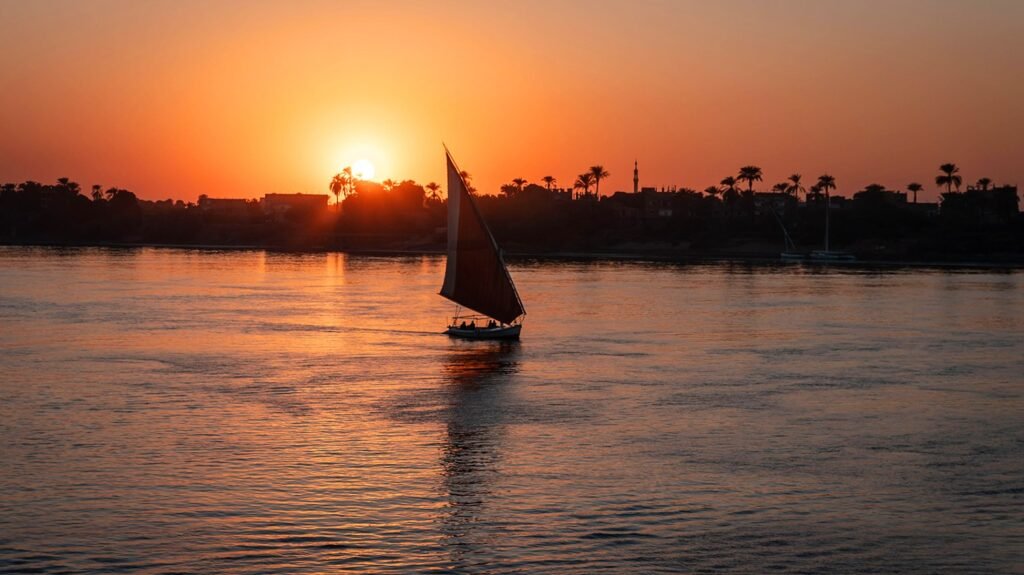
A felucca on the Nile at sunset
the depth of Egypt’s history is mind-boggling — let it sink in that Cleopatra’s lifetime was closer to our era (about 2,000 years ago) than when the pyramids at Giza were built (2,500 years before that). Across the country, you can follow in the footsteps of the pharaohs, from some of the oldest pyramids in the world at Saqqara to the brightly painted tombs in the Valley of the Kings at Luxor. No trip to Egypt is complete without spending time on the world’s longest river by joining a Nile cruise that stops to take in temples and tombs along the way — or a sunset outing on a felucca, a traditional wooden sailing boat. Don’t ignore another of Egypt’s big bodies of water: the Red Sea is one of the best places on the planet to scuba dive and snorkel, swimming through clouds of fish that flit above colourful coral reefs.
1. Marvel at the pyramids of Giza
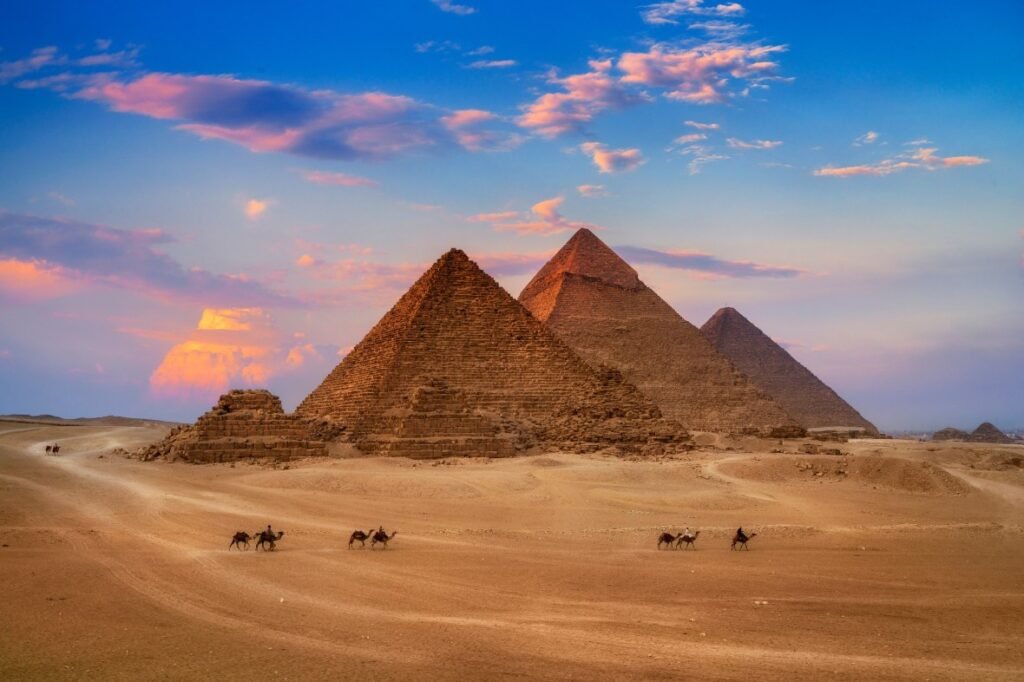
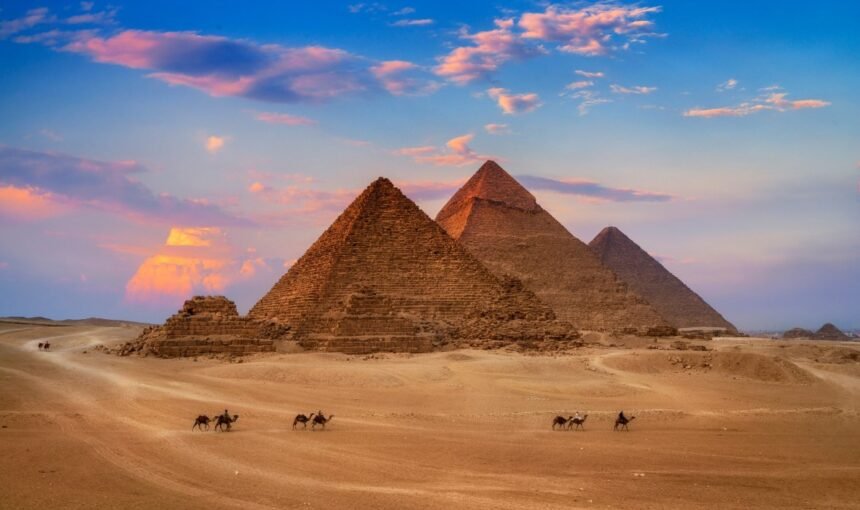
The pyramids of Giza at sunset
Your first glimpse of Egypt’s most famous pyramids is likely to be from the plane flying into Cairo. From that distance, the gargantuan structures, standing on a plateau west of the sprawling capital, are impressive enough, but you need to get up close — or even go inside — to really appreciate them. A half-day guided tour with an Egyptologist is the ideal way to take in the Giza complex. You’ll explore the three pyramids of Giza and the Sphinx that acts as their guard, learning about their construction 4,500 years ago and life in the ancient world. The trip ends with that most classic of desert experiences: a camel ride.
2. Take a Nile cruise
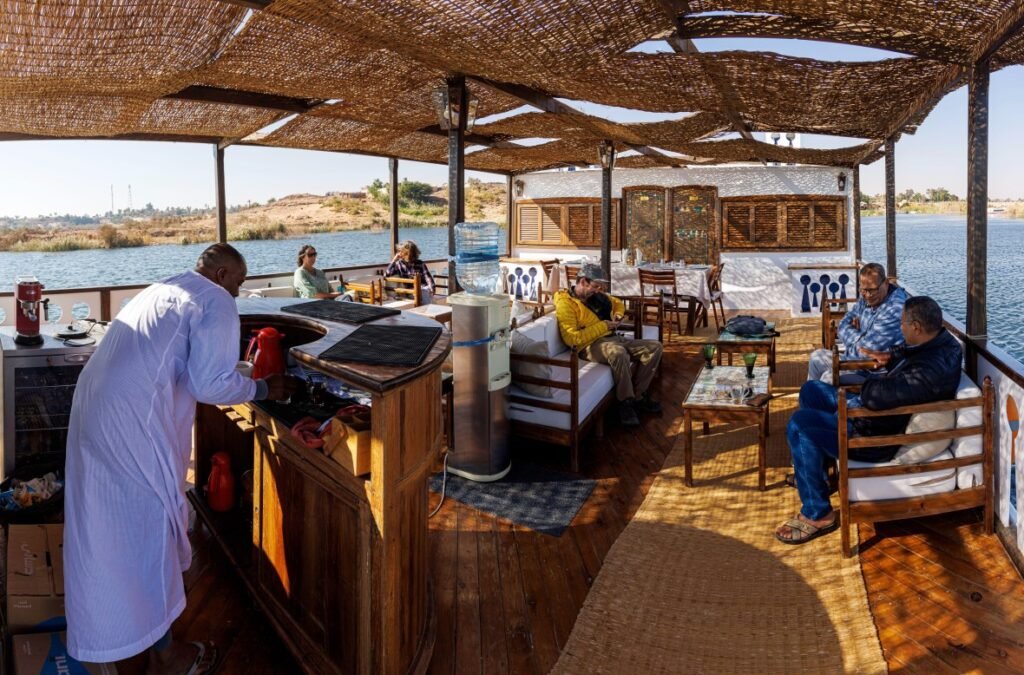
A classic way to experience the best of Egypt’s ancient sites is on a Nile cruise — not only is it the most scenic way to see the sights, but it’s also perhaps the most convenient, as temples were built near the river. Most Nile cruises travel in both directions between Luxor and Aswan over a few days, stopping at Edfu and Kom Ombo. Add on a few extra days to take in temples in Esna and Qena. Even longer Nile cruises depart occasionally from Cairo, taking on nearly the entirety of the river in Egypt. Multiple dams block direct boat access to the river south of Aswan, but separate cruises take to the waters of Lake Nasser.
3. Learn to dive in the Red Sea

The Red Sea is one of the world’s greatest scuba-diving destinations, and many dive sites are suitable for beginners. Sharm el-Sheikh is well set up for novices, with plenty of operators offering Padi courses over several days. Get comfortable with the equipment in the pool; once you’re confident, you’ll be taken out with a divemaster for scuba diving over the reefs, gliding above clownfish and rays. If you have some training under your weight belt, plenty of outfitters can take you out to the best dive sitesincluding Ras Mohammed, Egypt’s oldest national park. Many dive sites, especially the vertical wall reefs along the coast in Sharm, are good spots for snorkelling too.
4. See the first pyramids around Saqqara
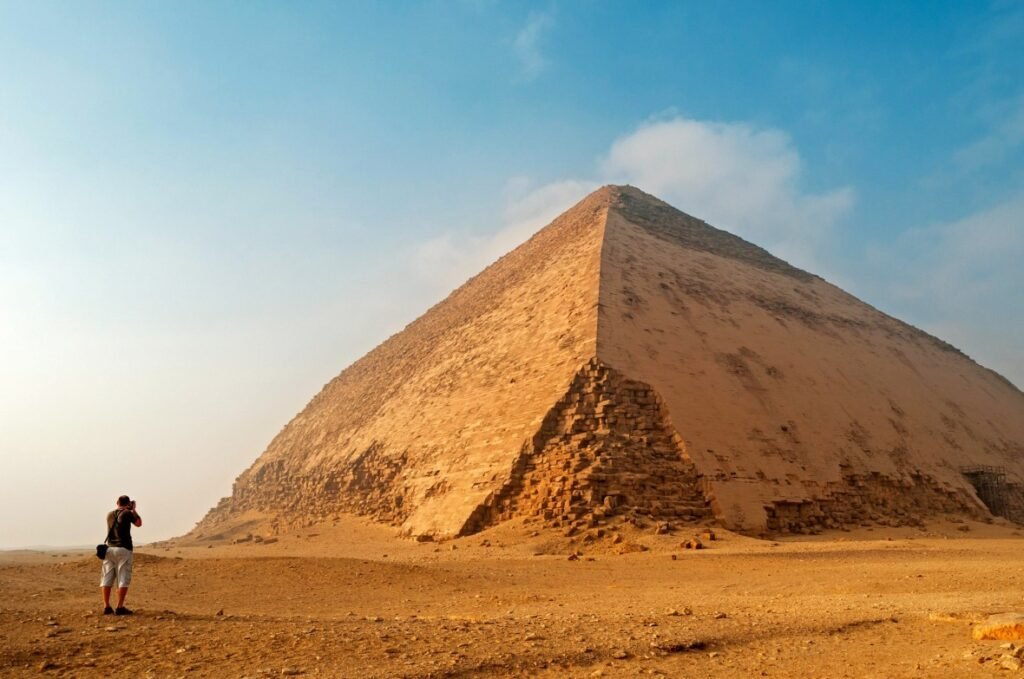
The pyramids at Giza get all the attention, but Egypt is home to more than 100 pyramids. The ancient burial grounds in Saqqara and Dahshur, southwest of Cairo, are less crowded than at Giza and can be visited on a day trip, combined with a tour of Memphis, ancient Egypt’s first capital. See the architectural evolution as the ancient Egyptians tried to perfect and smooth the pyramid’s size and shape, starting with the Step Pyramid of Djoser, one of the oldest in the world, built around 2670BC; then the Bent Pyramid, with a 54-degree bend at the base but a 43-degree slant towards the top; and finally the mastery of design at the Red Pyramid. You can go inside all three.
5. Sleep in the White Desert
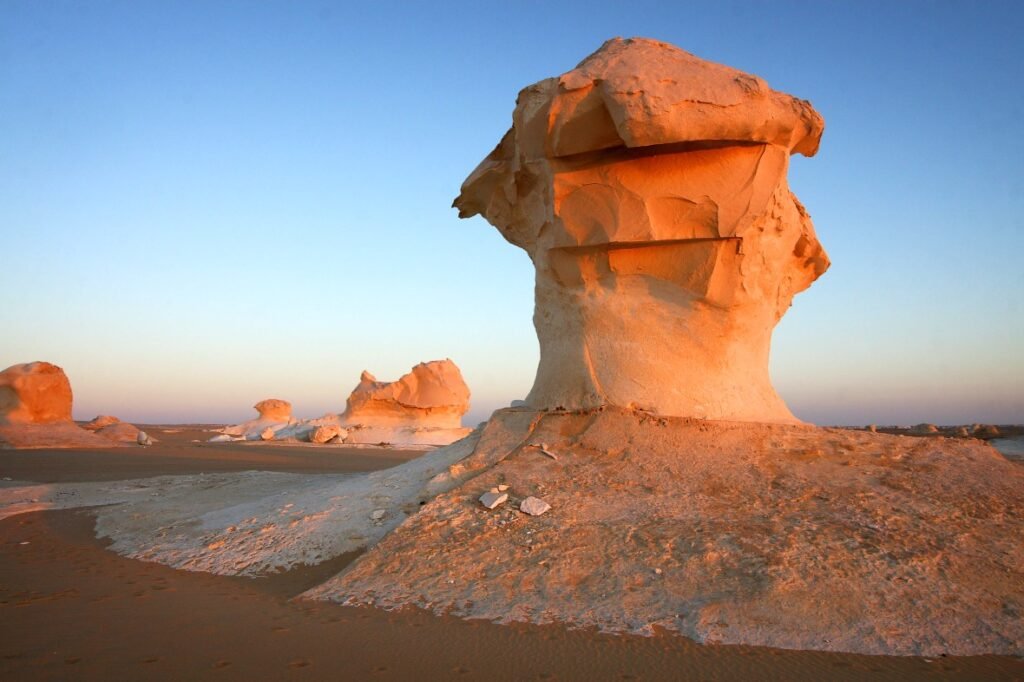
The wonders of the White Desert, another national park, are most often appreciated on a day excursion, but you’ll add a whole other dimension to your experience if you stay the night. Travel into the desert from Cairo and explore the otherworldy landscape of rock formations, palm groves and oasis villages before enjoying a traditional barbecue dinner. You can choose to sleep in a tent pitched on the sand or in the open air under the stars. Either way, you’ll drift off amid utter silence with the feeling that you’re miles from anywhere.
6. Explore the Karnak and Luxor temples
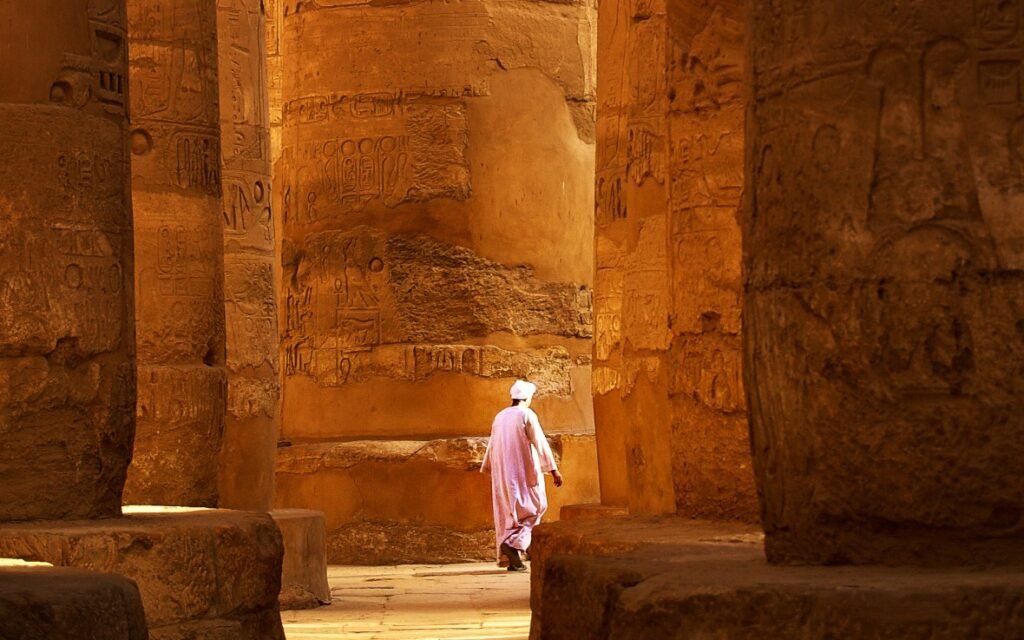
The Great Hypostyle Hall in the Karnak temple complex
The east bank of the Nile Valley around Luxor is home to some of the most important and impressive religious sites in Egypt, if not the world: the Karnak complex and Luxor Temple. A half-day’s guided tour can take in both, with a knowledgeable Egyptologist providing insight into the towering statues, columns and stone buildings, translating the hieroglyphs, and bringing ancient Egypt to life. Finds from the temples are stashed in the Luxor Museum.
7. Visit the Valley of the Kings
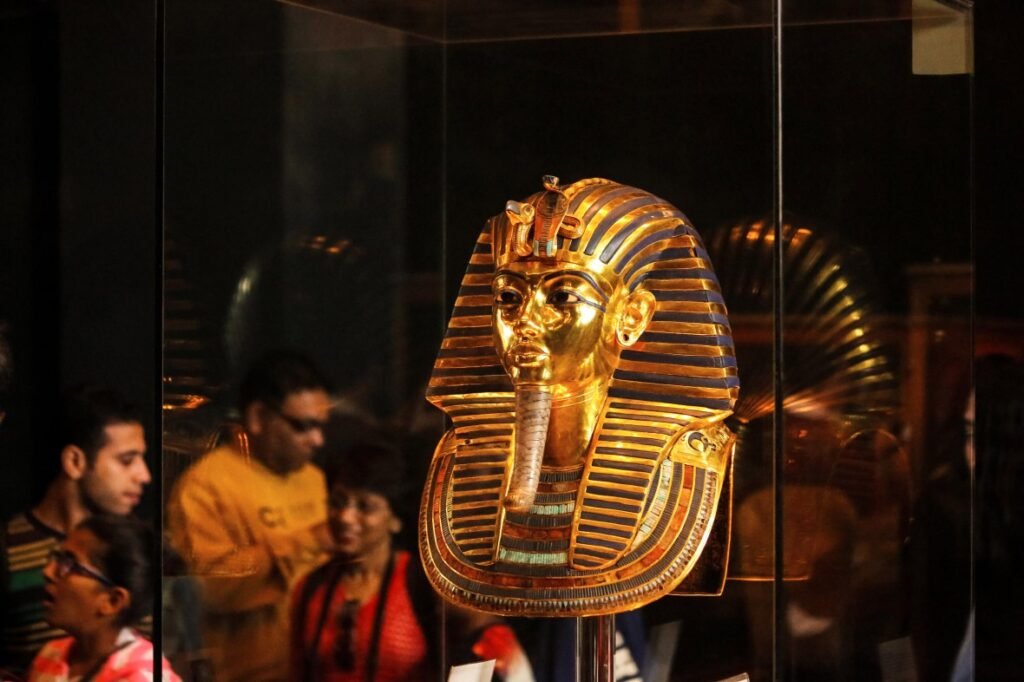
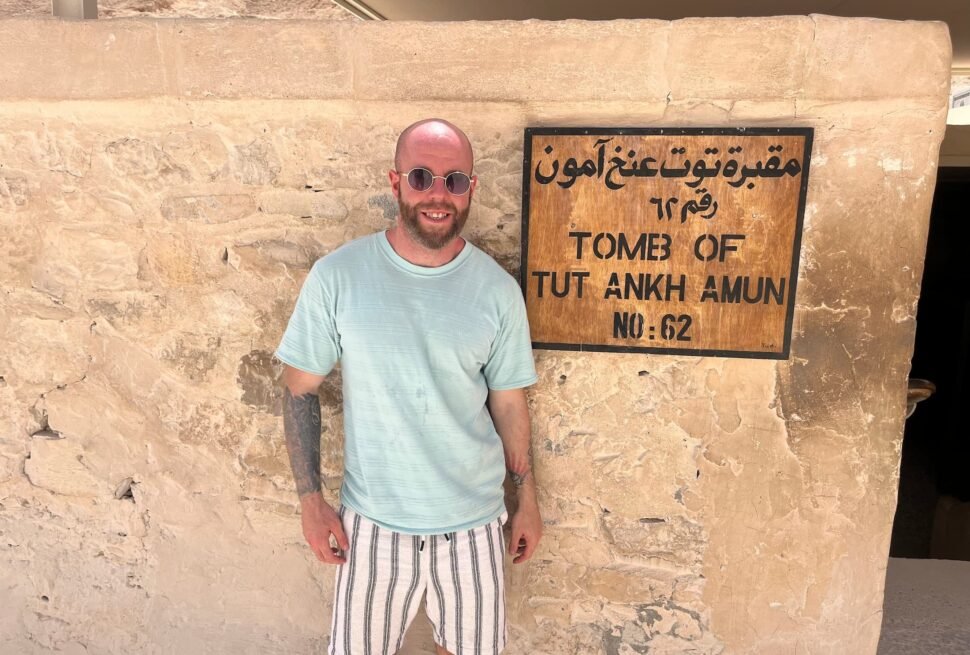
Tutankhamun (or King Tut) reigned in Egypt more than 3,300 years ago, and his tomb lay undisturbed in the Valley of the Kings near Luxor until it was discovered by archaeologist Howard Carter in 1922. Some of the incredible haul of objects found with him are displayed at the Grand Egyptian Museum in Giza, which opened in October 2024. Eventually, the museum will show off all of Tutankhamun’s grave goods in the same place for the first time but, for now, the death mask and some other funerary artefacts remain in the Egyptian Museum on Tahrir Square in Cairo.
9. Walk in the footsteps of Moses
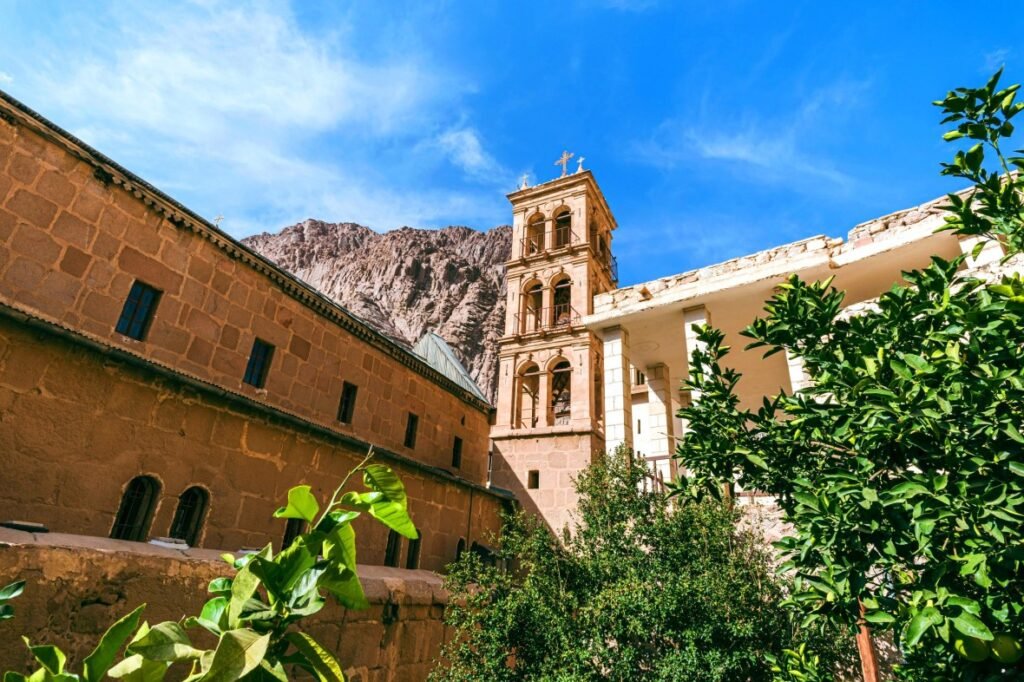
St Catherine’s Monastery at the foot of Mount Sinai
According to the Old Testament, Moses received the Ten Commandments from God on the summit of Mount Sinai on the Sinai peninsula. Climbing the mountain, known as Jabal Musa (Mount Moses) in Arabic, is a suitably religious experience, whatever your beliefs. Most tours head up before dawn in the pitch black and wait at the summit for sunrise — watching the peaks of the surrounding mountains turn red in the morning light is a truly epic moment. Stopping to drink small cups of Bedouin coffee from the makeshift stalls along the route will help keep your eyes open. On the way down, stop at Unesco-listed St Catherine’s Monastery; completed in AD560, it’s the oldest functioning Christian monastery in the world.
10. Learn to cook Egyptian food
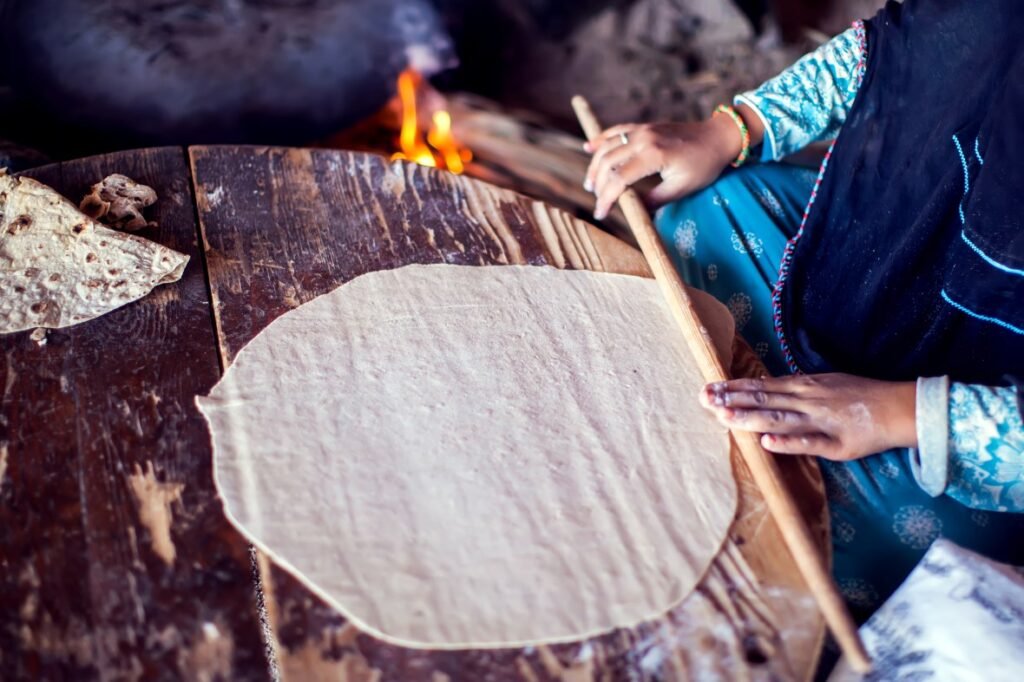
Rolling out bread in a Bedouin village
Once you’ve had your first few meals in Egypt, you’ll wonder why so little of the cuisine has spread across the globe. Dishes are packed full of fresh, flavourful vegetables from the fertile Nile delta; meats are often cooked over the fire to give intensity and depth; and the bread is absolutely delicious. Discover some of the country’s favourite dishes and learn to make them back home by taking a cooking class. Several options are available in Cairo, but our favourite puts you in the kitchen with a local family and includes a visit to a produce market, with the results enjoyed over a long, leisurely lunch.
11. Take a hot-air balloon ride over Luxor
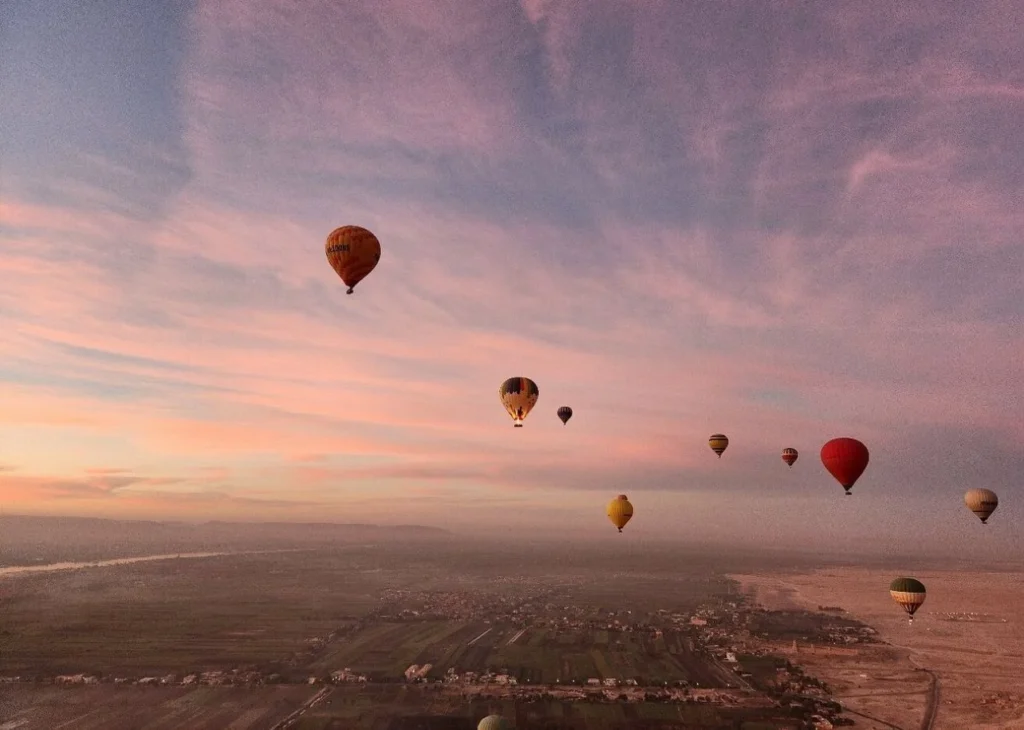
Inflating a hot-air balloon near Luxor
If you thought the ancient Egyptian sites along the Nile Valley couldn’t get any more impressive, try viewing them from on high. Soaring in a hot-air balloon as the rising sun casts a golden glow over Luxor, the thick winding river and the ancient temples lining its banks — this may well be the most magical start to a day you’ve ever had. Dozens of balloons take off for flights of up to an hour, creating a wonderful spectacle in the sky. You’ll need to get up well before dawn, but it’s totally worth the early alarm.
12. Sail along the Nile on a felucca
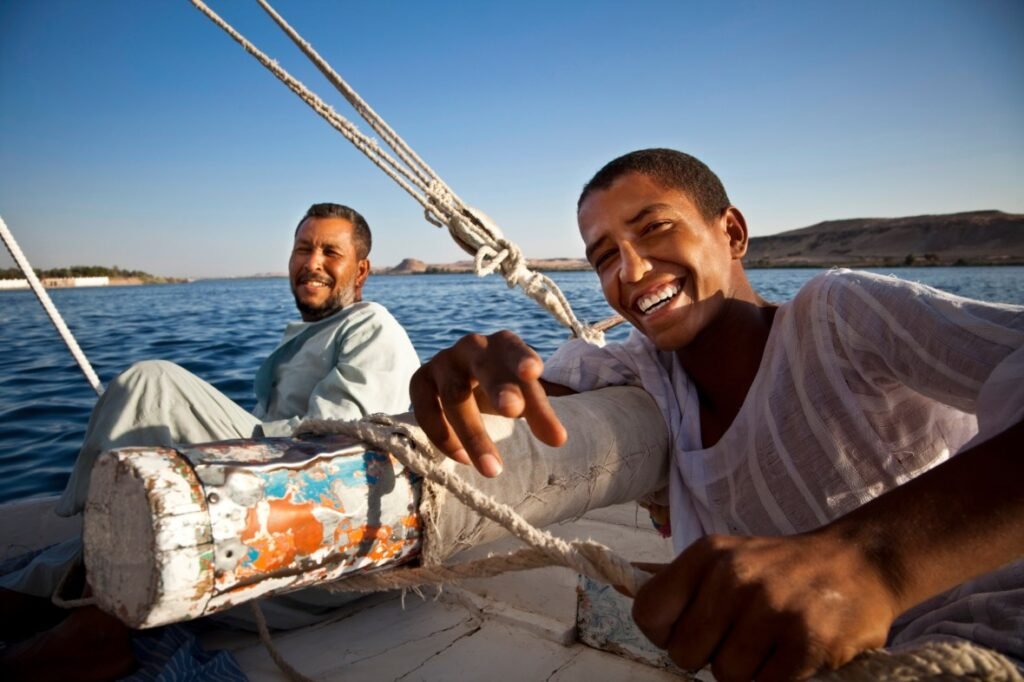
Sailors on a felucca at Aswan
Watching the sunset over the River Nile, with palm trees casting shadows on the water from the riverbank and the distant mountains turning pink in the fading light, feels timeless and romantic. Ramp up the romance a notch by taking to the river on a felucca from Aswan. These wooden sailing boats are a common sight and have been used for millennia. A sunset trip also includes dinner on Banana Island (named for its fruit trees) and a dip in the water, should you wish. Glide by small Nile islands and colourfully painted Nubian villages, but the true highlight is the simple pleasure of drinking karkade (hibiscus tea) on deck as the day slowly fades away.
13. Visit Nubian villages around Aswan
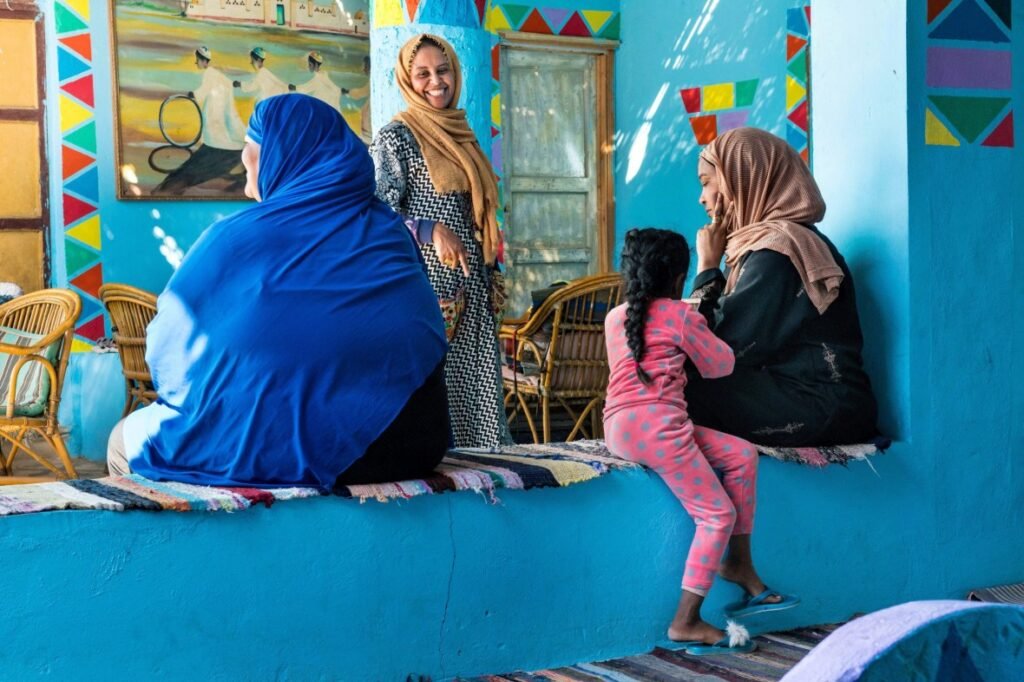
A Nubian village at Aswan
The region of Nubia stretches across modern-day southern Egypt and northern Sudan, and many Nubians still live in traditional villages around Aswan. Take a boat to visit the village of Gharb Soheil, where nearly every building is painted with vibrant murals and a rainbow of colours, bringing instant joy to anyone who visits. Wander the market stalls and enjoy mint tea and shisha from one of the cafés. Closer to Aswan and accessible by the public ferry, Elephantine Island is home to another Nubian village, and its cafés dish up perfect sunset views.
14. Explore Kom Ombo and Edfu
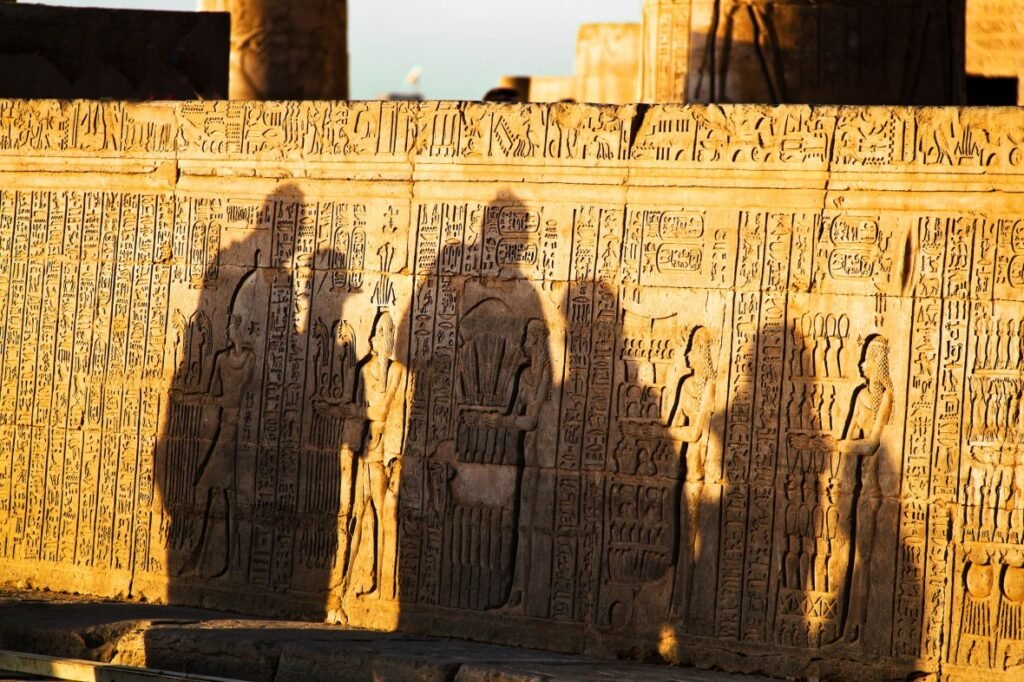
Visitors cast a shadow at the Temple of Kom Ombo (Alamy)
Giza and the tombs of Luxor take the plaudits, but the ancient temples in lesser-known Kom Ombo and Edfu are equally rewarding. Kom Ombo is an unusual “double” temple dedicated to two gods — Sobek, the crocodile-headed god of fertility, and Horus the Elder. It has panels of fascinating hieroglyphs — ask your guide to point out the calendar, which has 365 days, and the symbols of medical tools. Don’t miss the museum of mummified crocodiles near the temple exit. Downriver in Edfu, the temple dedicated to the falcon god Horus is one of the few that still has its ceiling in situ, lending a mysterious atmosphere in the darkened chambers and corridors.